
Epoxy vs Grind and Seal: Which Finish Should You Choose?

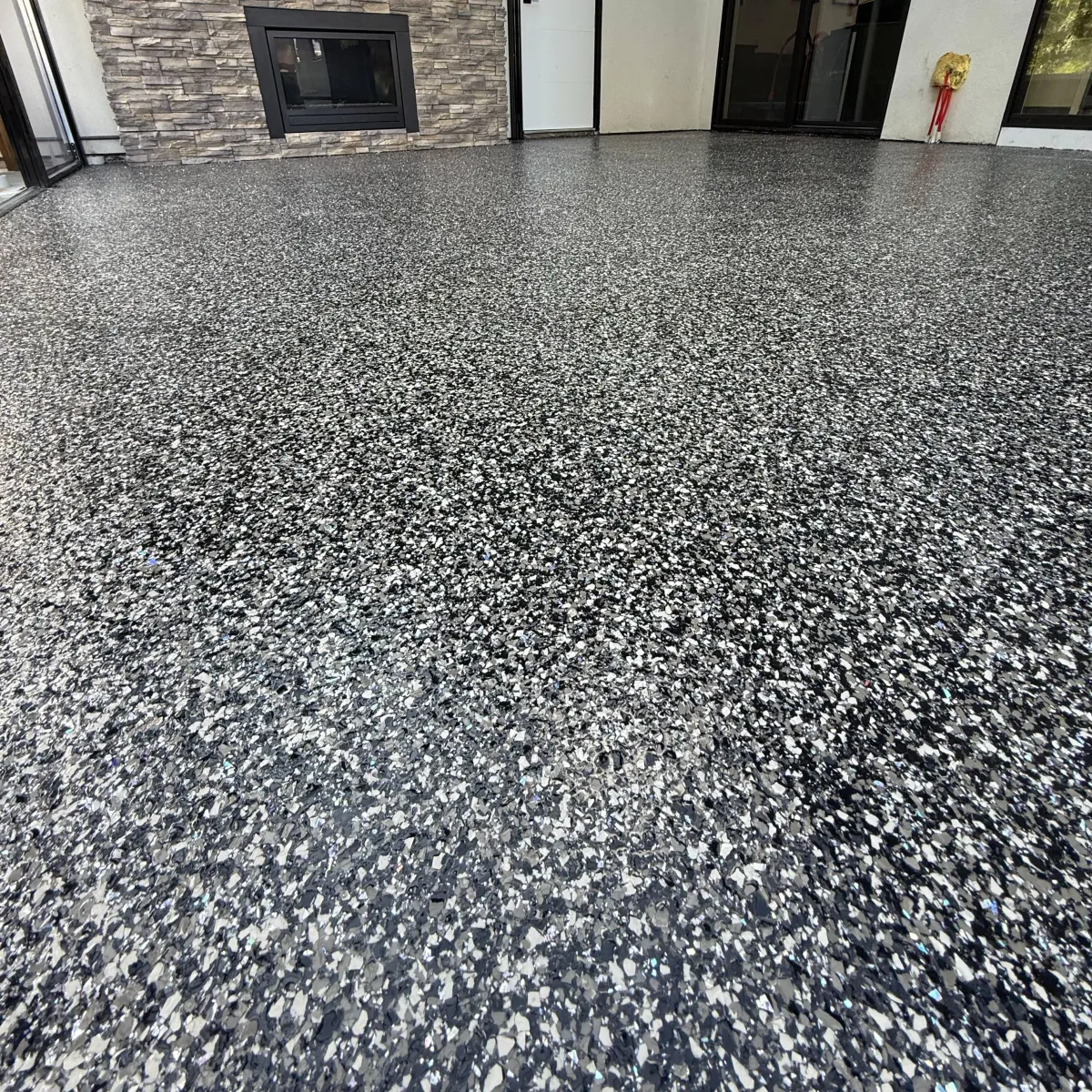
Selecting the most appropriate concrete finish is one of the most critical operational and aesthetic decisions for any commercial, industrial, or residential space. A persistent source of confusion in the flooring industry is the conflation of thin-film concrete floor sealants applied over a ground surface with thick, high-build epoxy coatings.
While both systems require contractors to mechanically grind the floor using specialized diamond tooling, their chemistry, load-bearing capacities, and lifecycle costs differ significantly. This guide breaks down the technical differences between a budget-friendly grind-and-seal application and a robust, seamless epoxy system.
What is a Grind and Seal Concrete System?
A grind and seal system mechanically refines the top layer of a concrete slab before a thin topical sealer is applied. The primary function of this system is to protect the existing concrete surface while preserving its natural, industrial aesthetic.
According to Accurate Maintenance Services, the process involves a low-profile mechanical grind (achieving an ICRI CSP 1 to CSP 2 profile) to remove surface laitance and minor defects, effectively opening the slab's capillaries without performing a multi-pass optical polish. Installers then apply 1 to 2 coats of a topical sealer, such as an acrylic, polyurethane, or thin-film polyaspartic.
Key Characteristics:
Thickness: Extremely thin, typically measuring 1 to 5 mils (25 to 127 microns).
Cost Efficiency: As noted by High Stakes Epoxy, a grind and seal system can be executed at roughly 40% to 60% of the cost of multi-layer resin systems.
Lifespan & Maintenance: While the initial cost is low, these topical sealers wear away under foot traffic and require reapplication every 2 to 5 years.
What are High-Build Epoxy Coatings?
High-build epoxy coatings are two-component thermosetting resin systems that cross-link into a solid, monolithic plastic layer. Rather than simply coating the surface, an epoxy system chemically and mechanically anchors into the pores of the concrete to create an entirely new, highly durable wear layer.
Without adequate surface preparation, epoxy systems cannot achieve a lasting mechanical bond. The installation typically requires mechanical grinding or shot blasting to achieve an ICRI CSP 2 to CSP 4 surface profile. When properly cured, industrial epoxy formulations offer high compressive strength (often 8,000 to 10,000+ psi), providing substantial resistance to heavy point loads and equipment traffic.
Key Characteristics:
Thickness: Ranges from 15 to 30+ mils for standard commercial applications, and up to 125+ mils for heavy industrial or broadcast builds.
Durability: Encapsulates the concrete, offering strong resistance to automotive fluids, oils, and many commercial cleaning agents and chemicals.
Aesthetics: Offers vast customization, including opaque colors, decorative vinyl flakes, quartz, and complex three-dimensional metallic marbling.
Technical Comparison Table: Grind & Seal vs. High-Build Epoxy
To understand how these systems compare across key operational criteria, review the side-by-side comparison below:
| Performance Metric | Grind and Seal System | High-Build Seamless Epoxy System |
|---|---|---|
| Primary Function | Enhances and protects existing concrete | Creates a new monolithic protective wear mantle |
| Typical Thickness (DFT) | 1 – 5 mils | 15 – 30+ mils (up to 125+ for industrial) |
| Surface Profile Needed | CSP 1 to CSP 2 (Light grind) | CSP 2 to CSP 4 (Coarse grind / shot blast) |
| Compressive Strength | Determined by underlying concrete substrate | High (resin layer typically 8,000–10,000+ psi) |
| Hot Tire Resistance | Low to Moderate (prone to softening) | High (resists softening from hot tires) |
| Chemical Resistance | Moderate (vulnerable to solvents/acids) | High to Excellent (resistant to oils, fuels, and common chemicals) |
| Resealing Frequency | Every 2 – 5 years | Topcoat refresh every 5 – 10 years |
Analyzing the Total Cost of Ownership (TCO)
When evaluating flooring budgets, initial installation pricing only tells half the story. While a grind and seal system is more affordable upfront, high-build epoxy often delivers a lower total cost of ownership over a 10-to-15-year lifecycle.
Industry cost models illustrating a 10-to-15-year lifecycle highlight how maintenance frequency offsets initial price differences:
Grind & Seal TCO: While initial installation carries a lower upfront price, thin topical sealers generally require mechanical prep and reapplication every 2 to 5 years. Over a 10-to-15-year period, recurring material, labor, and operational downtime can cause cumulative costs to meet or exceed those of a high-build system.
Epoxy System TCO: The initial investment is higher due to multi-step surface preparation and multi-coat resin builds. However, because a high-build base coat remains intact for many years—often requiring only an occasional protective topcoat refresh—long-term maintenance expenses and disruption remain comparatively low.
Key Vulnerability: The "Hot Tire Pickup" Phenomenon
One of the most common reasons property owners upgrade from thin sealers to high-build coatings is "hot tire pickup."
When vehicles operate at highway speeds, tires accumulate substantial heat. When parked on thin-film thermoplastic sealers (such as standard acrylics), heat and plasticizer migration can soften the thin film. As the rubber cools and contracts, it adheres to the sealer, causing the coating to pull away from the concrete slab when the vehicle drives away. In contrast, high-build epoxy and polyaspartic systems are cross-linked thermoset polymers that maintain structural stability under typical tire temperatures.
Decision Guide: Which System is Right for You?
Choosing between these two finishes ultimately comes down to traffic volume, aesthetic preferences, and chemical exposure risks.
Choose a Grind and Seal System When:
- Budget constraints are strict during initial construction or tenant improvements.
- The environment experiences very low traffic, such as a dry retail storage room, residential basement, or decorative patio.
- You specifically want a raw, rustic concrete appearance that showcases natural aggregate.
Choose a High-Build Epoxy Coating When:
- The space must endure vehicle traffic, hot tires, or heavy equipment like forklifts.
- You require seamless, non-porous, and hygienic surfaces that resist moisture and frequent sanitization (e.g., clinics, laboratories, veterinary facilities).
- The existing concrete has severe cosmetic flaws, cracks, or heavy patchwork that requires an opaque, customized finish.
You want long-term durability without the downtime of cyclical resealing, a factor heavily emphasized in CustomCrete's technical maintenance guidelines.
Specialized Solutions for Extreme Climates
Regional climate factors play a massive role in flooring performance. In British Columbia, property owners face unique environmental challenges. The coastal wet conditions and winter road salts tracked into facilities across Vancouver, Richmond, Abbotsford, and Surrey rapidly erode basic acrylic sealers. Likewise, the extreme temperature swings in Kelowna make thin sealers highly susceptible to thermal degradation.
For facilities in these priority markets, Inspired Epoxy provides commercial, industrial, and residential high-build epoxy solutions engineered to withstand aggressive freeze-thaw cycles and chemical exposure.
Differentiating themselves from standard grind-and-seal contractors, Inspired Epoxy also offers customized stone/pebble surfacing and metallic epoxy systems. By emphasizing substrate preparation (meeting established ICRI CSP standards) and backing their work with warranties, their team delivers durable, seamless flooring designed for long-term performance.
Conclusion
While standard grind-and-seal concrete finishes offer an economical solution for low-traffic or decorative areas, they require frequent upkeep in more demanding environments. For facilities subjected to vehicle traffic, chemical exposure, or stringent sanitation requirements, high-build epoxy coatings provide the durability, chemical resistance, and lower lifecycle maintenance required for lasting protection.
TESTIMONIALS
What Our Flake systems Customers Say About Us
Request A Free Flake systems Quote
GET A FREE QUOTE
BUSINESS
SERVICES
SERVICE AREAS
OPERATING HOURS
Sun: 8:00am - 7:00pm
Mon: 8:00am - 7:00pm
Tue: 8:00am - 7:00pm
Wed: 8:00am - 7:00pm
Thu: 8:00am - 7:00pm
Fri: 8:00am - 7:00pm
Sat: 8:00am - 7:00pm